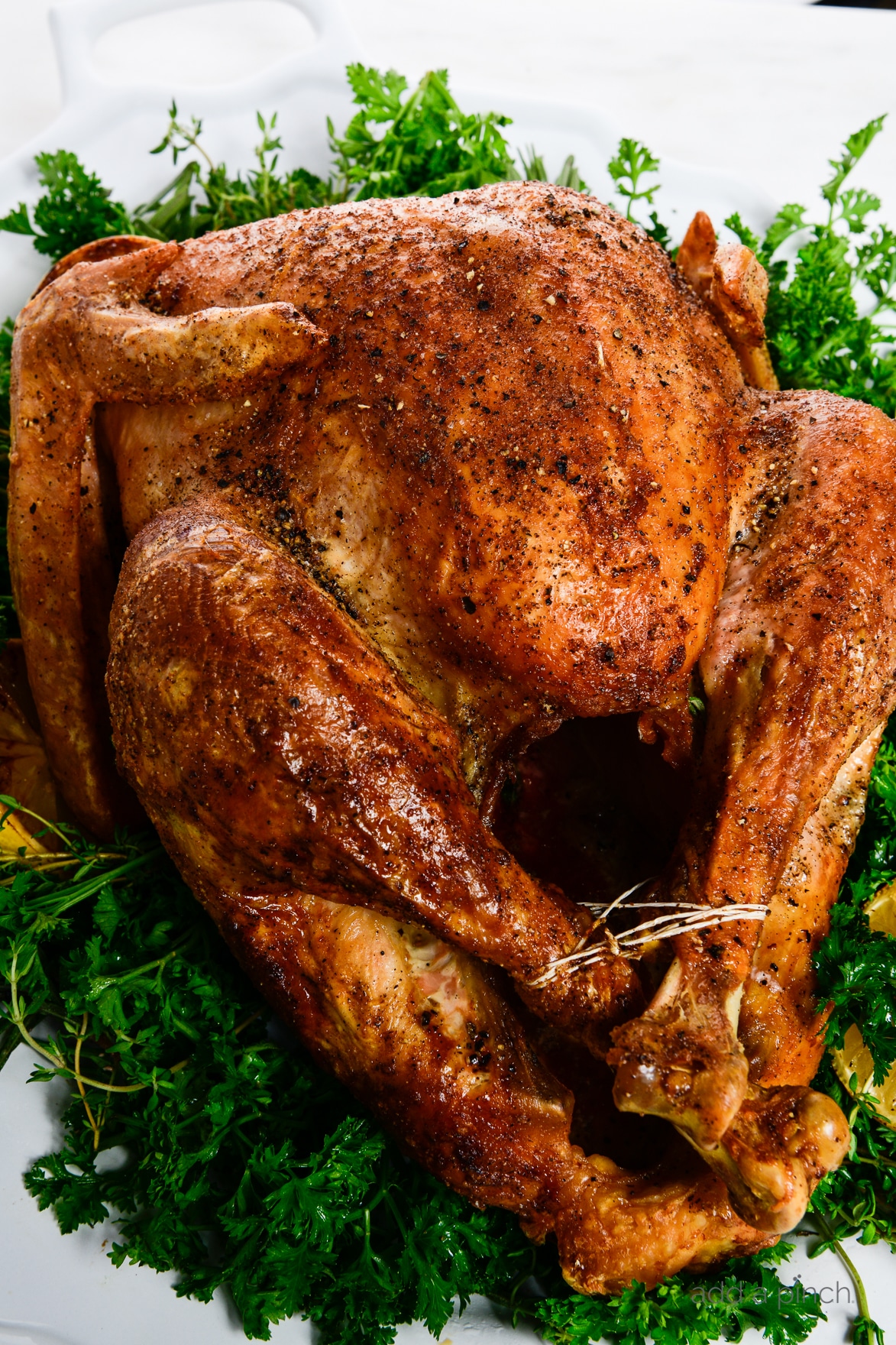
Debunking the Myth: Why Roasting a Turkey Isn't Scary
For many, the thought of roasting a whole turkey evokes images of kitchen chaos, dry meat, and an intimidating culinary challenge. But what if we told you that achieving a perfectly juicy, flavorful, and golden-skinned turkey is far simpler than you've been led to believe? This isn't just another recipe; it's a tried-and-true method that has graced countless tables, proving that even first-time cooks can master the art of how to cook a turkey with confidence.
The biggest myth in American cookery is that a succulent, flawlessly cooked turkey is an elusive dream for the novice. Fear not! This step-by-step guide is designed to empower you, transforming any apprehension into excitement. We'll show you exactly how to cook a turkey that's not only tender and juicy but also packed with flavor, making it a showstopper for Thanksgiving, Christmas, or any special occasion. Forget dry, bland birds – your fear of turkey will be replaced by the joy of perfect results every single time.
Gathering Your Essentials: Ingredients & Tools for Success
Before you even think about preheating your oven, let's ensure you have everything you need. Preparation is key to a stress-free cooking experience.
Selecting Your Turkey: Size Matters!
- Size Calculation: A good rule of thumb is to plan for about 1 pound of turkey per guest. If you're a fan of leftovers (and who isn't?), aim for 1 ½ pounds per person. So, for 10 guests, a 10-15 pound turkey is ideal.
- Fresh vs. Frozen: Frozen turkeys are widely available and often more economical. If you opt for a frozen bird, remember to plan for ample thawing time. A general guideline is 24 hours of thawing in the refrigerator for every 4-5 pounds of turkey. So, a 15-pound turkey will need approximately 3-4 days to thaw completely.
Flavorful Additions: The Secret to a Delicious Bird
- Unsalted Butter: Generous amounts are crucial for moisture and that coveted crispy, golden skin.
- Fresh Herbs: Rosemary, thyme, and sage are classic choices that infuse incredible aroma and flavor.
- Aromatics: Chopped onions, celery, and carrots placed in the roasting pan not only create a flavorful bed for the turkey but also contribute to a fantastic gravy base.
- Seasoning Blend: A simple yet powerful mix of kosher salt, freshly ground black pepper, and a pinch of cayenne pepper will elevate the turkey's natural taste.
Indispensable Tools: Your Kitchen Allies
- Roasting Pan with a Rack: This is non-negotiable! The rack lifts the turkey out of its drippings, allowing for even heat circulation around the bird, which is vital for crispy skin.
- Instant-Read Meat Thermometer: This is your most essential tool. It eliminates guesswork and guarantees a perfectly cooked, safe turkey every time. Don't even think about cooking a turkey without one!
- Kitchen Twine: For tying the legs together, ensuring even cooking and a more compact presentation.
- Basting Brush: Handy for applying melted butter and pan drippings.
- Aluminum Foil: For tenting the turkey if it starts to brown too quickly, and for resting the bird after roasting.
Your Step-by-Step Guide to a Perfectly Juicy Roast Turkey
Ready to transform that raw bird into a culinary masterpiece? Follow these steps precisely, and you'll be amazed at the results.
Step 1: Prep and Position for Optimal Roasting
- Thaw and Unpack: If frozen, ensure your turkey is fully thawed. Remove the turkey from its packaging. Reach inside both cavities (neck and body) and pull out the giblets and neck. These can be used to make gravy, or discarded.
- Pat Dry, Pat Dry, Pat Dry: This step is often overlooked but is absolutely critical for crispy skin! Use plenty of paper towels to pat the entire turkey, inside and out, until it's as dry as possible. Moisture on the skin steams rather than crisps.
- Create an Aromatic Bed: Roughly chop your onions, celery, and carrots. Scatter them evenly across the bottom of your shallow roasting pan. This creates a flavor base and helps keep the turkey from sticking.
- Position the Turkey: Place the turkey, breast-side up, on the rack set inside your prepared roasting pan. This elevation is key for even cooking and preventing a soggy bottom.
Step 2: The Art of Flavorful Seasoning
- Prepare the Herb Butter: In a small saucepan, gently melt your unsalted butter. Add a few sprigs of fresh rosemary, thyme, and sage. Cook gently for 2-3 minutes until the herbs are fragrant, allowing the butter to infuse with their delicious flavors. Remove the herb sprigs, but reserve the butter.
- Season the Inside: Mix your kosher salt, black pepper, and cayenne pepper in a small bowl. Generously season the inside cavity of the turkey with about one-third of this mixture. Take the reserved herb sprigs (from the butter) and stuff them into the cavity for extra internal aroma.
- Tie the Legs: Using kitchen twine, tie the turkey legs together. This helps the turkey cook more evenly and creates a neat presentation. Fold the wing tips under the bird to prevent them from burning.
- Season the Outside: Now, brush the entire exterior of the turkey liberally with the reserved melted herb butter. Don't be shy! This butter layer is essential for both flavor and creating that beautiful golden-brown, crispy skin. Finally, sprinkle the butter-covered turkey generously with the remaining seasoning mixture.
Step 3: Roasting for Golden Perfection
- Preheat Oven: Preheat your oven to 325°F (160°C). This lower temperature ensures the turkey cooks through without drying out.
- Initial Roast: Place the uncovered turkey in the preheated oven. You'll want to roast it uncovered for the majority of the cooking time to allow the skin to crisp and brown.
- Basting (Optional but Recommended): While not strictly necessary for juiciness (that's what the meat thermometer is for!), basting every 45-60 minutes with pan drippings or additional melted butter can help achieve a richer color and add flavor to the skin.
- Monitor Browning: If the turkey skin starts to brown too quickly, especially the breast, you can loosely tent it with aluminum foil. This will protect the skin while allowing the internal meat to continue cooking.
Step 4: The Crucial Rest
- Remove and Rest: Once your turkey reaches its target internal temperature (see below), remove it from the oven. This is another critical step! Loosely tent the turkey with aluminum foil and let it rest for at least 15-30 minutes before carving.
- Why Rest? Resting allows the juices, which have been pushed to the center of the bird during cooking, to redistribute throughout the meat. If you carve immediately, those precious juices will run out, leaving you with a drier turkey. Patience is a virtue here!
Temperature and Timing: Your Keys to a Done Turkey
The biggest secret to a perfectly cooked turkey isn't a complex timer; it's your trusty meat thermometer. While timing guides are helpful, internal temperature is the ultimate indicator of doneness and safety.
How Long to Cook a Turkey?
While oven temperatures and turkey sizes vary, here's a general guideline for a turkey roasted at 325°F (160°C):
- 12-pound turkey: Approximately 3 hours
- 15-pound turkey: Approximately 3.5-4 hours
- 20-pound turkey: Approximately 4.5-5 hours
Always remember that these are estimates. The actual cooking time will depend on whether your turkey is stuffed (stuffed turkeys take longer), your oven's calibration, and how often you open the oven door. For a comprehensive guide on precise timing and how different factors affect your cook, check out our detailed article: Cook a Juicy Turkey: Essential Tips for Perfect Temperature & Time.
What Temperature Should Turkey Be When It's Done?
The U.S. Department of Agriculture (USDA) recommends cooking all poultry to an internal temperature of 165°F (74°C). You'll want to check the temperature in several places:
- The thickest part of the thigh (without touching the bone).
- The thickest part of the breast.
- The innermost part of the wing.
Insert your instant-read thermometer into these areas. When all readings reach 165°F (74°C), and the juices run clear when pierced, your turkey is done. Remember that the temperature will rise a few degrees during the resting period, so pulling it out exactly at 165°F is perfect.
Cooking a turkey might have seemed daunting, but with this simple, step-by-step recipe, you're now equipped to achieve perfect results every time. This method, passed down through generations, proves that the best roast turkey doesn't have to be complicated. So go ahead, don't play scared – embrace the confidence of a seasoned chef and prepare to impress your guests with a truly unforgettable meal. For an even deeper dive into every aspect of roasting, including troubleshooting and gravy tips, explore our guide on How to Cook a Turkey: Step-by-Step for Juicy & Crispy Skin.
